Source automatic mini hand tractor with wheat planter for Corn, Beans, and Wheat
Find 30 listings for the automatic mini hand tractor with wheat planter designed for corn, beans, and wheat cultivation. Buyers can compare specifications, prices, and customization options across various models including 18HP and 20HP units.
Key considerations
Products List


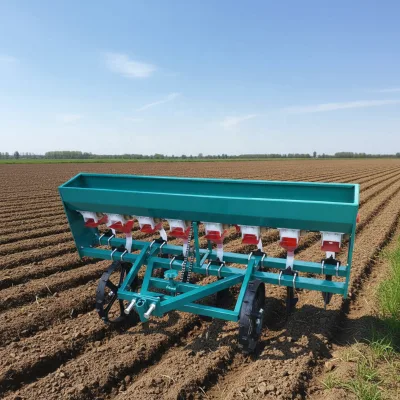
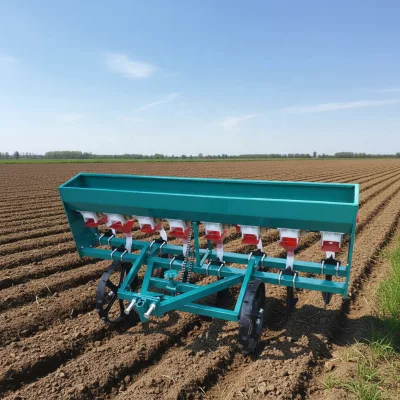


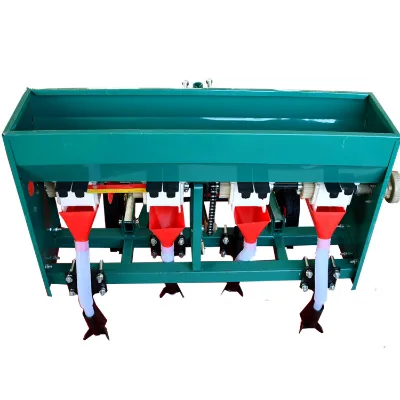

$1230.00 - $1330.00
Moq: 1
Comprehensive Sourcing Guide
Sourcing Guide for Automatic Mini Hand Tractors with Wheat Planters
The global demand for efficient, compact agricultural machinery has driven the proliferation of automatic mini hand tractors equipped with wheat planters. These machines, often categorized as micro-farming machines or walking tractors, represent a critical bridge between traditional manual labor and large-scale mechanized farming. For procurement professionals, sourcing these units requires a disciplined approach that balances technical specifications, operational versatility, and supplier reliability. This guide outlines the essential factors for evaluating automatic mini hand tractors with wheat planters, ensuring that buyers make informed decisions based on verified product attributes and industry standards.
Technical Specifications and Operational Capabilities
When evaluating an automatic mini hand tractor with a wheat planter, the primary focus must be on the integration of the power source, drive mechanism, and planting functionality. The market offers a variety of configurations, but the core technical requirements remain consistent for effective operation. Buyers should verify the rated power, which typically ranges from 15HP to 20HP in the observed product data. This power range is sufficient for arable machinery operations while maintaining the compact size necessary for small to medium-sized farms.
The power source is a critical differentiator. Available units may utilize either diesel or gasoline engines. Diesel-powered models are often preferred for their torque and fuel efficiency in heavy-duty applications, while gasoline models may offer lighter weight and easier starting in specific conditions. The drive type is another vital specification; chain drive systems are commonly observed in these micro-farming machines, providing reliable power transmission to the wheels. The traction type is generally listed as "traction," indicating a design optimized for grip in various soil conditions.
The planting mechanism itself is a sophisticated component of the unit. The "automatic" aspect often refers to mechanized planting functions that combine seeding and fertilization. Some models are described as pneumatic wide fertilizer machines, capable of dual seeding and fertilization in a single pass. This dual functionality significantly reduces labor time and ensures uniform application. The sowing mode can vary, with some units operating as joint operating machines or no-tillage seeders, which is beneficial for soil conservation. The application field for these machines extends beyond wheat to include corn, beans, and other crops, offering versatility for diverse agricultural needs.
| Feature Category | Observed Specifications | Verification Requirement |
|---|---|---|
| Rated Power | 15HP, 18HP, 20HP | Confirm engine torque and fuel consumption rates. |
| Power Source | Diesel, Gasoline | Match engine type to local fuel availability and maintenance capabilities. |
| Drive Type | Chain Drive | Inspect chain tensioning mechanisms and lubrication points. |
| Planting Function | Dual Seeding/Fertilization | Verify seed metering accuracy and fertilizer distribution width. |
| Traction Type | Traction | Test grip performance on wet and dry soil conditions. |
| Operation Mode | Movable, Arable | Ensure the machine is suitable for the specific field geometry. |
Compliance, Certification, and Quality Standards
In the B2B procurement of agricultural machinery, compliance and certification are non-negotiable elements that mitigate risk. The supply chain for these machines is predominantly rooted in China, with specific origins noted in Shandong province. Buyers must verify that the supplier holds valid quality management certifications. ISO9001 is a frequently cited standard in the product data, indicating a commitment to quality control processes. However, the presence of a certification label does not automatically guarantee compliance with all local import regulations; buyers must cross-reference the supplier's documentation with the specific requirements of their target market.
The condition of the machinery is another compliance factor. Most listed units are described as "New," but the physical state of the product upon arrival must be confirmed. The packaging standards are equally important for ensuring the machine arrives undamaged. Observed packaging includes wooden cases, wooden boxes, and normal export standard packages, often supplemented with plastic film for moisture protection. The dimensions of the packaging vary significantly, ranging from compact sizes like 21880105 cm to larger configurations such as 22008001100 cm, depending on the model and included attachments.
Material quality is a key indicator of durability. The primary construction material for these tractors is often iron, which provides the necessary structural integrity for agricultural operations. Buyers should request material certificates or mill test reports to verify the grade of iron used, especially for critical components like the frame and drive wheels. While some background information mentions CE certification, this should be treated as a background fact rather than a guaranteed attribute of every listed product. Procurement teams must explicitly request current certification documents from the supplier to ensure the machine meets the safety and environmental standards of the destination country.
Cost Drivers and Pricing Dynamics
Understanding the cost structure of automatic mini hand tractors is essential for budgeting and negotiation. The observed price range for these units spans from $55 to $6,200 USD. This wide disparity is driven by several factors, including the rated power, the complexity of the planting mechanism, and the inclusion of additional accessories. A basic walking tractor with a simple seeder attachment will fall at the lower end of the spectrum, while a fully integrated unit with pneumatic fertilization and advanced automation features will command a higher price.
The minimum order quantity (MOQ) is another significant cost driver. The observed MOQ range is between 1 and 20 units. Buyers purchasing a single unit for pilot testing or small-scale operations may face a higher per-unit cost compared to those placing bulk orders. Negotiating the MOQ can be a strategic lever; suppliers may offer price reductions for orders exceeding the baseline MOQ. Additionally, the customization availability noted in the product attributes can influence costs. Customizing the machine for specific crop types or field conditions may incur additional engineering and setup fees.
Shipping and logistics costs are often excluded from the base product price. Given the dimensions and weight of these machines, particularly those with wooden case packing, freight costs can be substantial. Buyers should request Incoterms that clearly define who bears the risk and cost of transportation. The origin location, specifically Shandong, China, is a major manufacturing hub, which can reduce lead times and shipping costs compared to sourcing from more remote regions. However, buyers must account for potential tariffs and import duties in their total cost of ownership calculations.
Typical Applications and Field Versatility
The versatility of automatic mini hand tractors with wheat planters makes them suitable for a wide range of agricultural applications. These machines are primarily designed for arable machinery operations, including the cultivation of wheat, corn, beans, and other grains. The "walking tractor" configuration allows for high maneuverability in narrow rows and small plots, which is common in many developing agricultural economies. The ability to perform no-tillage seeding is particularly valuable for conservation agriculture, reducing soil erosion and preserving moisture.
The application field extends to forestry and general agriculture, as indicated by the product attributes. In forestry, these machines can be used for trail maintenance or planting operations in difficult terrain. In agriculture, the dual seeding and fertilization function allows for efficient crop establishment. The machine's color options, including blue, green, and red, are often chosen for visibility and brand identity, but they do not affect performance. The service life of these units is typically estimated between 3 to 6 years, depending on maintenance practices and usage intensity.
Buyers should consider the specific crop requirements when selecting a model. For instance, a pneumatic wide fertilizer machine is ideal for crops requiring precise nutrient distribution, while a standard seeder may suffice for basic wheat planting. The drive wheel configuration, often 2WD, is suitable for most field conditions, but buyers should verify if 4WD options are available for more challenging terrains. The "hand tractor function" implies that the machine is designed to be operated by a person walking behind it, which requires ergonomic considerations for the operator.
Supplier Evaluation and Quality Control
Evaluating suppliers for automatic mini hand tractors requires a rigorous due diligence process. Buyers should prioritize suppliers who demonstrate transparency in their product specifications and provide detailed technical documentation. The presence of customization options suggests that the supplier has the engineering capability to adapt machines to specific buyer needs. However, this capability must be validated through sample testing or factory audits.
Quality control should be a central part of the procurement strategy. Buyers must verify that the supplier adheres to the ISO9001 standard and has a robust inspection process for finished goods. The "High Quality" attribute listed in the product data is a marketing claim that must be substantiated by independent test results or third-party inspections. Key quality checks should include the integrity of the chain drive, the accuracy of the seed metering system, and the durability of the iron frame.
The service life of 3 to 6 years is a critical metric for long-term value. Buyers should inquire about the availability of spare parts and the supplier's warranty policy. A supplier that offers a comprehensive warranty and readily available spare parts is more likely to ensure the longevity of the machinery. Additionally, the supplier's location in Shandong, China, should be verified to ensure they have the logistical capacity to handle international shipments efficiently.
Long-Term Procurement and Maintenance Considerations
Long-term procurement considerations extend beyond the initial purchase price. Buyers must plan for the total cost of ownership, including maintenance, fuel, and potential downtime. The "Service Life" of 3 to 6 years indicates that these machines are not disposable assets but require ongoing care. Regular maintenance schedules should be established to ensure the chain drive, engine, and planting mechanisms remain in optimal condition.
The availability of technical support is another critical factor. Suppliers should provide detailed operation manuals and training materials in the buyer's language. For machines with complex features like pneumatic fertilization, specialized training may be necessary to ensure operators can use the equipment effectively. The "Movable Operation" capability suggests that the machine may need to be transported between fields, so buyers should consider the logistics of moving the unit and the storage requirements.
Finally, buyers should consider the scalability of their procurement strategy. If the initial order is successful, the supplier should be able to scale production to meet increased demand. The observed MOQ range of 1 to 20 units suggests flexibility, but buyers should negotiate volume discounts for future orders. By focusing on technical specifications, compliance, and supplier reliability, buyers can secure a reliable supply of automatic mini hand tractors with wheat planters that enhance agricultural productivity and efficiency.
FAQs
What power sources are available for these machines?
Available units utilize either diesel or gasoline engines. Diesel models offer higher torque for heavy-duty applications, while gasoline options provide lighter weight and easier starting in specific conditions.
Which drive type is commonly used in these tractors?
Chain drive systems are commonly observed in these micro-farming machines. This configuration provides reliable power transmission to the wheels and is standard for traction-optimized designs.
Can these machines perform dual seeding and fertilization?
Yes, some models are described as pneumatic wide fertilizer machines capable of dual seeding and fertilization. This function allows for uniform application in a single pass, significantly reducing labor time.
What is the typical service life of these units?
The service life of these units is typically estimated between 3 to 6 years. This duration depends heavily on maintenance practices and the intensity of usage in the field.
Which certifications should buyers verify for quality assurance?
Buyers must verify that the supplier holds valid quality management certifications like ISO9001. This standard indicates a commitment to quality control processes, though local import regulations must also be checked.
What are the observed minimum order quantity ranges?
The observed minimum order quantity ranges between 1 and 20 units. Buyers purchasing single units may face higher per-unit costs compared to those placing bulk orders to negotiate better rates.
How are these machines typically packed for export?
Observed packaging includes wooden cases, wooden boxes, and normal export standard packages. These are often supplemented with plastic film for moisture protection to ensure the machine arrives undamaged.